How to Prevent Wrist Band Slipping: 7 Proven Methods

Table of Contents
- Why Wrist Bands Slip During Exercise
- The Best Way to Wear Weighted Wrist Bands
- How to Tighten Fitness Wrist Straps for Maximum Stability
- Choosing the Right Band Material to Reduce Slipping
- Preventing Wrist Band Movement During Cardio
- Temporary Grip Solutions: Tape and Adhesive Alternatives
- Maintenance and Cleaning for Long-Term Grip
- Conclusion
Last Updated: August 20, 2026
Why Wrist Bands Slip During Exercise
Wrist bands slip during workouts due to a mismatch between strap tension and wrist circumference. If your band isn't snug enough, gravity and movement pull it down. Sweat creates friction challenges, moisture makes skin slippery, and even well-fitted bands lose grip. Material composition matters: smooth synthetics slide more easily than textured silicone or rubber.
Anatomical variation plays a larger role than most realize. Tapered wrists cause bands that feel snug at the wrist bone to slide down during movement, while cylindrical wrists naturally resist slipping. The type of activity also influences slipping, cardio generates more sweat and repetitive arm movements that pull bands downward, while explosive strength training can shift bands through the range of motion.
The Best Way to Wear Weighted Wrist Bands
Position the band directly above your wrist bone in the groove where your forearm widens slightly. This uses your wrist's natural anatomy to anchor the band. Ensure it sits flat with no twisting or bunching, and run your fingers around the entire circumference to confirm proper alignment.
The strap should feel snug but not restrictive, fit one finger, not two, between the band and your wrist. Many people leave bands too loose, assuming they'll adjust during the workout; they won't. For weighted bands, position the weight pocket on the back of your wrist or slightly to the inside, depending on your activity. This reduces strain on front wrist tendons during strength work and maintains stability during cardio arm swings.
At Health and Fitness Company, we offer precision-engineered products, including adjustable weighted wrist and ankle bands, to support your bodybuilding and training goals.
How to Tighten Fitness Wrist Straps for Maximum Stability
Fasten the band snugly but not aggressively tight, firm enough that it doesn't shift when you move your wrist through its full range of motion. Test the tightness by performing your workout movements: swing your arm, rotate your wrist, flex and extend your fingers. The band should stay in place through all motions.
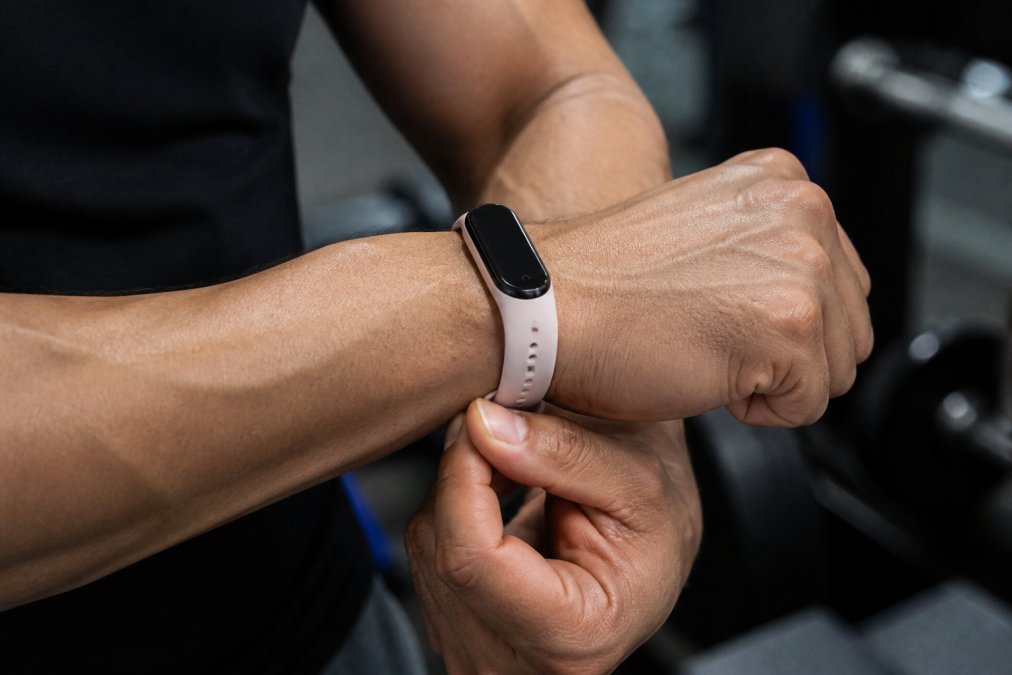
For bands with multiple adjustment points, use all available mechanisms. Distribute tension across the entire strap width to create even pressure. If your band has velcro, press firmly across the entire overlap zone for several seconds, velcro gains full grip strength only with sustained pressure. For pin adjustment, ensure the pin sits firmly in its hole with no slack.
Tighten your band before your warm-up, not after. Your wrist swells slightly during exercise due to increased blood flow, so account for this by tightening slightly more than feels necessary when cold. You'll find the sweet spot after one or two workouts.
Choosing the Right Band Material to Reduce Slipping
Material selection directly impacts slipping resistance. Silicone and rubber offer superior friction compared to smooth synthetic fabrics and grip your skin naturally without requiring tape or adhesives. Silicone provides consistent friction in both dry and wet conditions, while rubber offers similar benefits with a slightly different feel.
Metal bracelets and chain-style bands slip far more easily than fabric options. NATO straps, the woven fabric style originally used for military watches, offer a middle ground between smooth synthetics and silicone. Leather has variable grip depending on treatment; soft, supple leather provides reasonable friction, but stiff leather becomes slippery.
For maximum grip during intense exercise, silicone outperforms all other options. For everyday wear with occasional light activity, material choice matters less. For athletes who sweat heavily, silicone's performance advantage becomes even more pronounced.
Preventing Wrist Band Movement During Cardio
Cardio creates unique challenges because arm movement generates forces pulling bands downward with every swing. Tighten your band slightly tighter for cardio than for strength training, what feels adequate for standing exercises might slip during running or jump rope.
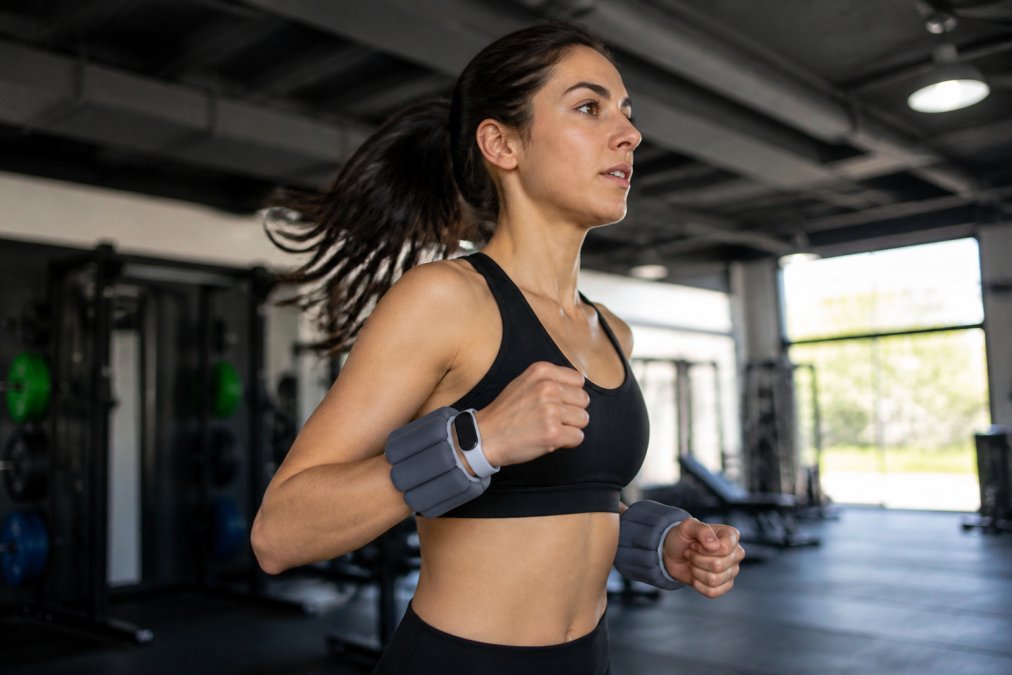
Position the band's weight pocket toward the back of your wrist or slightly to the inside. This placement reduces rotational forces that occur when your arm swings. Control your arm swing mechanics with tight, controlled movements rather than wild swings, this improves form and maintains stability.
Consider using a secondary stabilization method during intense cardio: thin athletic tape wrapped around the band or a temporary adhesive solution provides backup security. Take a brief pause every 10-15 minutes to check your band's position. A quick adjustment takes 10 seconds and prevents accumulated slipping far better than one major adjustment at the end.
Temporary Grip Solutions: Tape and Adhesive Alternatives
Double-sided athletic tape wrapped around the band creates friction with your skin, preventing downward movement. Apply tape to the underside of the band touching your skin, wrapping it around the band's circumference with slight overlap. This method is temporary because tape loses adhesion after 30-45 minutes of heavy sweating, but it's effective for that window.
Body-safe adhesive sprays designed for athletic use create a tacky surface that increases friction. Apply the spray to your wrist before putting the band on and let it dry for 10-15 seconds. Silicone-based grip sprays designed for athletic equipment are applied to the band itself and create a tacky surface that lasts longer than tape in sweaty conditions.
Important note: any adhesive solution is temporary and should be tested on a small area first to ensure skin compatibility. Use these methods strategically for high-intensity sessions rather than as daily solutions. For permanent grip improvement, focus on material selection and proper positioning.
Maintenance and Cleaning for Long-Term Grip
Band grip degrades over time if not maintained. Sweat, dead skin cells, and environmental debris accumulate on the band's surface, reducing friction. Clean your band weekly if worn daily, or after every 3-4 workouts if used less frequently. Warm soapy water and a soft brush work well for most materials.
Dry your band completely before storing it. Air-dry it flat or hanging, away from direct heat sources. For velcro closures, clean the hook side frequently, lint accumulates and reduces adhesion. A lint roller works well for this.
Inspect your band regularly for signs of wear. Small cracks in silicone or worn velcro indicate declining grip. Store your band in a cool, dry location away from direct sunlight. If your band develops odor, soak it in equal parts white vinegar and water for 15-20 minutes, then rinse thoroughly and dry.
Proper maintenance transforms a band that slips after a few months into one that maintains grip for years.
Wrist band slipping doesn't have to derail your training. Start with proper positioning above your wrist bone and correct strap tightness, these alone solve the problem for many people. If slipping persists, upgrade to a silicone or rubber band and add a temporary adhesive solution for high-intensity cardio.
Health and Fitness Company offers precision-engineered products, including adjustable weighted wrist and ankle bands, to support your bodybuilding and training goals. Our mission is to provide durable, reliable gear that enhances your workout experience and helps you reach your full potential. Get started with Health and Fitness Company and experience workouts where your equipment stays exactly where it should be, so you can focus entirely on your performance.
Consider enhancing your fitness tracker with a reliable strap like the Mi Band Watch Strap for $18.15, or the Id115Plus HR Very Fit Pro Bands Replacement Strap for $12.66, both designed for durability and a secure fit.


Frequently Asked Questions
How do I stop my wrist band from sliding during workouts?
The most effective approach combines three strategies: position the band above your wrist bone rather than directly on it, tighten the strap tension so it's snug but not cutting off circulation, and choose a material with high friction like silicone or rubber. If your band continues to slip during intense cardio, add a temporary grip solution like double-sided tape or a non-slip gel. Check that your strap length is adjusted for your wrist circumference, as bands designed for larger wrists will naturally slide on smaller wrists.
What's the best way to wear weighted wrist bands to prevent movement?
Position the band's base directly above your wrist bone, not on the bone itself or lower on your forearm. This placement uses the natural contours of your anatomy to create a more secure fit. Ensure the strap is tight enough that the band doesn't twist or shift when you move your wrist, but loose enough to maintain healthy circulation. For weighted bands specifically, the added mass can create downward pull, so verify the strap length matches your wrist circumference and consider upgrading to a contouring band design that hugs your wrist shape more effectively.
Can sweat cause wrist bands to slip during exercise?
Yes, sweat significantly reduces friction between your skin and the band material. Moisture decreases grip and can cause even properly fitted bands to slide. To combat this, choose sweat-resistant materials like silicone or rubber, which maintain friction better than leather or cotton. Clean your wrist bands regularly to remove salt buildup from dried sweat, which can make the material slippery. During intense workouts, consider applying a moisture-wicking product or using a temporary grip solution like athletic tape on areas where the band contacts your skin.
How do I know if my fitness wrist strap is tight enough?
Your strap should be snug enough that the band doesn't shift, twist, or slide when you move your wrist through its full range of motion. Test it by trying to roll the band side to side, it should not rotate easily. You should be able to fit one finger under the strap comfortably; if you can fit two fingers, it's likely too loose. If the strap leaves marks or causes numbness, it's too tight and restricting circulation. Adjust the strap tension before each workout, as swelling and hydration levels throughout the day can affect how snugly it should fit.
This article was written using GrandRanker