How to Clean Weighted Wrist Bands: A Complete Guide

Table of Contents
- What You'll Need Before You Start
- Hand Washing Your Weighted Wrist Bands
- How to Sanitize Gym Equipment and Your Wrist Bands
- Best Way to Remove Sweat Smell from Neoprene
- Drying Techniques and Preventing Mold in Weighted Fitness Gear
- Repairing Velcro and Maintaining Elasticity
- Common Mistakes to Avoid When Cleaning Weighted Wrist Bands
- Maintenance Schedule and Frequency of Cleaning
- Frequently Asked Questions
Last Updated: September 1, 2026
What You'll Need Before You Start
Gather lukewarm water, a basin, mild detergent, a soft cloth or sponge, and a towel for drying. For sanitization, have a disinfectant spray safe for synthetic fabrics on hand. Keep velcro closures away from lint during storage.
Most weighted wrist bands combine neoprene or synthetic fabrics with adjustable straps and hook-and-loop fasteners. Understanding your band's construction, whether sand-filled or metal-filled, helps you avoid damage to elasticity or velcro components. Moisture poses particular risks to filled bands, potentially compromising the seal.
You'll also need access to a well-ventilated space for drying, away from direct heat sources and on a clean, dry surface to prevent recontamination.
Hand Washing Your Weighted Wrist Bands
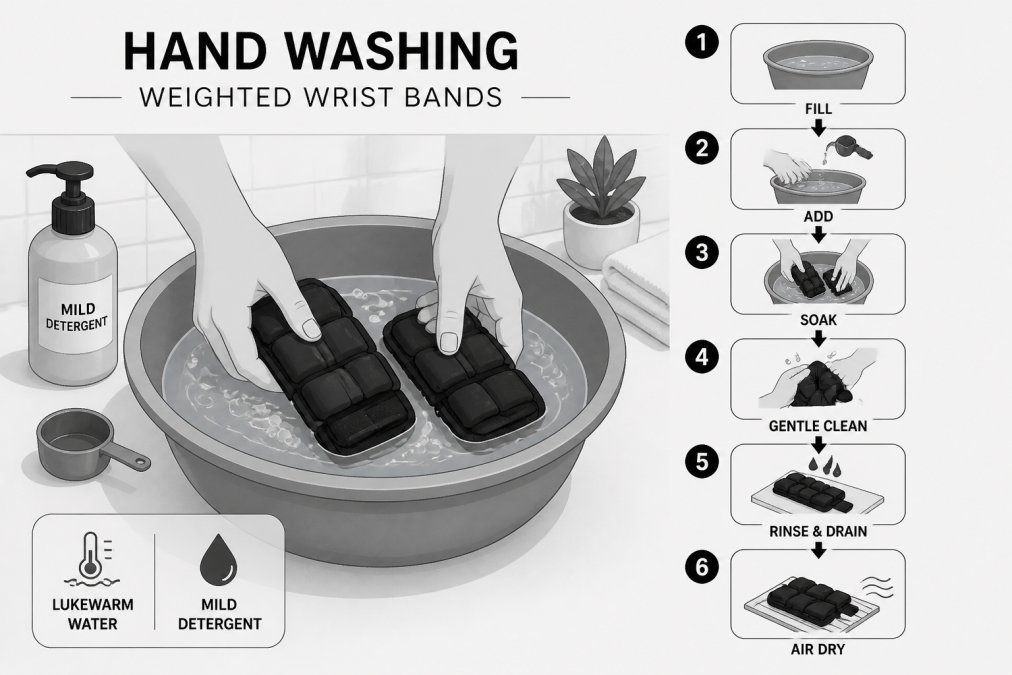
Hand washing is the safest and most effective method for cleaning weighted wrist bands. It protects fabric integrity, preserves elasticity, and prevents damage to velcro closures that machine cycles might worsen. Most manufacturers recommend hand washing as the primary cleaning method.
Step-by-Step Hand Washing Process
Step 1: Prepare Your Cleaning Station [Time: 2 minutes]
Fill a basin with lukewarm water, not hot, which degrades synthetic fabrics and damages elasticity (peer-reviewed research). Add mild detergent and avoid bleach or abrasive cleaners that break down neoprene. Test water temperature with your wrist to ensure it's comfortable but warm enough to lift sweat and grime.
Step 2: Submerge and Soak [Time: 5-10 minutes]
Place your bands in water and let them soak. This softens accumulated sweat, salt deposits, and odor-causing bacteria. For stubborn stains or salt crust buildup, soak for the full 10 minutes.
Step 3: Gentle Scrubbing [Time: 3-5 minutes]
Use a soft cloth or soft-bristled brush to gently scrub the exterior surface, paying special attention to seams and the inner wrist area where sweat accumulates. For sand-filled weights, check seams for particles. Work in circular motions rather than back-and-forth scrubbing, which stresses fibers.
Step 4: Rinse Thoroughly [Time: 3-5 minutes]
Rinse under clean running water until all soap residue is gone. Leftover detergent traps moisture and promotes bacteria growth. For metal-filled weights, ensure water doesn't pool in seams where it could cause corrosion.
Step 5: Remove Excess Water [Time: 2 minutes]
Gently squeeze out excess water without wringing or twisting, which stresses elasticity. Use a clean towel to absorb remaining moisture by patting rather than rubbing.
Expected Result: Your bands should feel clean, smell fresh, and show no visible soap residue or debris.
When to Use Machine Washing vs Hand Washing
Machine washing carries real risks. Even a gentle cycle stresses elasticity and can damage velcro closures. Prolonged moisture exposure increases mold risk, especially if bands aren't dried immediately afterward. Hand washing gives you control over water temperature, agitation level, and drying timing, all critical for preserving performance.
Use hand washing as your default method. Reserve machine washing only if the manufacturer explicitly approves it and only for bands without velcro or delicate closures. The time saved isn't worth risking equipment you've invested in.
How to Sanitize Gym Equipment and Your Wrist Bands
Weighted wrist bands accumulate bacteria, fungi, and pathogens during workouts. Sanitization actively kills microorganisms that cause odor and skin irritation, especially important if you share equipment or use bands in a gym setting.
After regular hand washing, apply a disinfectant spray designed for synthetic fabrics. Spray the exterior, seams, and velcro lightly and let it air dry completely. The contact time allows the disinfectant to work effectively. For shared equipment, sanitize after every use.
Diluted white vinegar (one part vinegar to three parts water) offers a natural alternative. Spray the solution on, let it sit for 10 minutes, then rinse thoroughly. Vinegar kills bacteria and eliminates odor without harsh chemicals, though it won't provide the same pathogen elimination as proper disinfectant spray (the CDC).
Never soak bands in bleach or use harsh chemical disinfectants that damage synthetic fabrics. If mold or mildew appears after sanitization attempts, move to deep cleaning.
Best Way to Remove Sweat Smell from Neoprene
Sweat smell comes from bacteria colonizing fabric fibers. Neoprene's cellular structure traps moisture and organic compounds, creating an ideal environment for odor-causing microbes.
After standard hand washing, soak your bands in a solution of one part white vinegar to three parts water for 15-20 minutes. Vinegar's acidity disrupts bacterial growth and neutralizes odor compounds. Rinse thoroughly afterward; the vinegar smell dissipates as bands dry.
For persistent odor, sprinkle baking soda directly on damp neoprene and let it sit for 30 minutes to an hour. The alkaline nature neutralizes acidic odor compounds. Brush off gently and rinse again. This method works particularly well for deep-set sweat smell.
Air drying in sunlight also helps, UV rays have mild antimicrobial properties and evaporate odor compounds. If possible, dry bands in direct sunlight for a few hours after washing.
Removing Stubborn Sweat Stains and Salt Crust
Sweat contains salt and minerals that crystallize on fabric, creating visible stains and trapping bacteria (peer-reviewed research). Salt crust is particularly common on the inner wrist area.
For stubborn stains, make a paste of baking soda and water. Apply it directly to the stained area and let it sit for 15-20 minutes. Use a soft brush to gently scrub the paste into the fabric. Rinse thoroughly.
For severe salt crust buildup, soak your bands in plain lukewarm water for 20-30 minutes before the baking soda treatment. Some people add white vinegar to the soak water; the acidity helps dissolve salt crystals.
Never use abrasive scrubbers like steel wool, which damage neoprene and weaken fibers. Stick with soft cloths and soft-bristled brushes. Patience matters more than force.
Drying Techniques and Preventing Mold in Weighted Fitness Gear
How you dry your weighted wrist bands is as important as how you wash them. Improper drying creates perfect conditions for mold and mildew growth.
Air Drying Best Practices
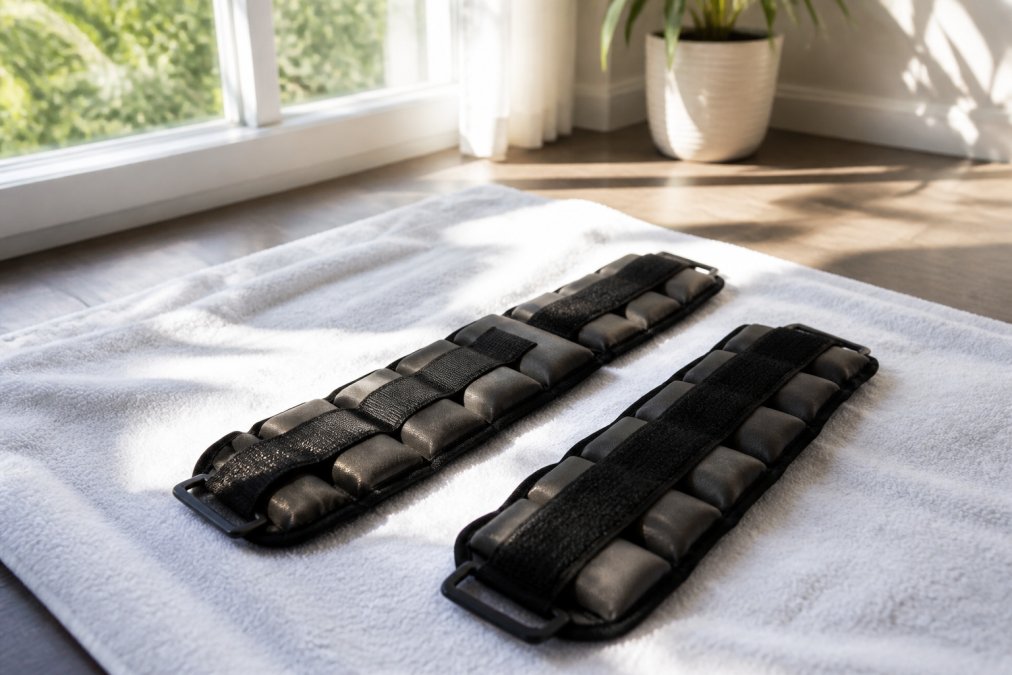
Air drying is the only safe method. Never use a dryer, which applies heat that degrades synthetic fabrics and damages elasticity. Never place bands near direct heat sources.
After removing excess water with a towel, place your bands on a clean, dry surface in a well-ventilated space. Ensure air circulates around all sides; don't stack them or place them in closed containers. Drying typically takes 24-48 hours depending on humidity and air circulation. Check periodically, bands should feel completely dry before storing.
For faster drying, place bands in a room with low humidity. A bathroom with the exhaust fan running works well. Some people place bands near (but not touching) a fan to increase air circulation.
Deep Cleaning for Sand-Filled vs Metal-Filled Weights
Sand-filled and metal-filled bands require slightly different care. Sand-filled bands risk moisture seeping into the fill, causing sand to clump and creating uneven weight distribution. Metal-filled bands risk internal corrosion if water reaches metal components.
For sand-filled bands, pay extra attention to seams during washing. Inspect for small tears or weak points where water could enter. After washing, ensure complete drying before use. If sand feels clumped or uneven after cleaning, the band may have internal water damage requiring replacement.
For metal-filled bands, keep water out of the filling chamber. Inspect the exterior for rust spots or discoloration indicating internal corrosion. If you notice rust, replace the band rather than repair it.
Both types benefit from air drying completely in a well-ventilated space before storing in a dry environment, not in a gym bag or damp closet.
Repairing Velcro and Maintaining Elasticity
Velcro closures wear out from repeated use and improper cleaning. The hook side collects lint and fibers that reduce grip. The loop side can pill or compress with age.
During hand washing, clean velcro separately. Use a soft brush to gently brush the hook side in one direction, lifting trapped lint. For the loop side, avoid aggressive brushing, which causes pilling. A gentle wipe with a damp cloth usually suffices.
If velcro loses grip despite cleaning, adhesive-backed replacement strips are inexpensive and easy to apply. Cut strips to match original size, remove old velcro carefully with a plastic scraper, and apply new strips. Press firmly and let adhesive set for 24 hours before using.
Elasticity degrades over time from repeated stretching, sweat exposure, and UV damage. You can't reverse this, but you can slow it by avoiding prolonged sun exposure during storage, not over-tightening velcro, and ensuring complete drying after each use. If bands feel loose or no longer provide support, it may be time to replace them.
Common Mistakes to Avoid When Cleaning Weighted Wrist Bands
The biggest mistake is using hot water, which degrades synthetic fabrics faster than anything else. Lukewarm water is sufficient and much safer.
Machine washing is another common error. Even gentle cycles stress elasticity and increase mold risk. Hand washing takes 15 minutes and keeps bands in better condition long-term.
Never use bleach or harsh chemical cleaners, these break down neoprene and synthetic fibers permanently. Stick with mild detergent, white vinegar, or baking soda.
Leaving bands wet or damp leads to mold and mildew growth. Always ensure complete drying before storage. If you notice musty smell or dark spots, address mold immediately with increased ventilation and sanitization.
Storing bands in damp environments like gym bags or bathrooms invites mold growth. Keep them in a dry closet or storage area. If you must store them in a gym bag, ensure they're completely dry first and leave the bag open to air between uses.
Not cleaning velcro regularly reduces grip and shortens lifespan. A quick brush during each wash prevents lint buildup.
Ignoring signs of damage, small tears, loose seams, or rust spots, allows problems to worsen. Address damage early through repair or replacement before it compromises structural integrity.
Maintenance Schedule and Frequency of Cleaning
Your cleaning frequency depends on use. If you wear bands daily during workouts, wash them weekly. For 3-4 times per week use, every two weeks is reasonable. Light use might only require monthly cleaning.
Sanitization should happen more frequently than deep cleaning. For shared gym environments, sanitize after every session. For personal home use, sanitize weekly or when you notice odor.
Deep cleaning with baking soda or vinegar treatments should happen monthly or when you notice stubborn stains or persistent odor.
Inspect your bands during each wash for signs of damage, mold, or degradation. Catch problems early.
Store bands in a dry location between uses. A closet shelf or drawer works well. Avoid damp areas like bathrooms or gym bags left in cars.
Replace velcro when it no longer grips effectively, usually an annual task depending on use frequency.
If you follow proper cleaning and drying techniques, quality weighted wrist bands last for years. Our Adjustable Weighted Fitness Wrist and Ankle Band is designed with durable synthetic materials that respond well to hand washing and proper maintenance. The precision engineering means seams stay intact when you avoid harsh cleaning methods, and the adjustable design maintains consistent performance as you progress in your training.

The maintenance routine outlined here, regular hand washing, proper drying, periodic sanitization, and velcro care, keeps your bands performing at their best. Invest 15 minutes weekly in cleaning, and your bands will support your strength training goals for years.
Proper maintenance of your weighted wrist bands directly impacts their durability and your workout results. By following these cleaning and maintenance practices, you protect your investment and ensure consistent performance. Health and Fitness Company's weighted wrist bands are built to withstand regular use when cared for properly. The precision-engineered construction and quality materials respond well to the gentle hand washing approach outlined here. Start with a weekly cleaning routine, and you'll notice your bands maintain their support and functionality far longer than bands subjected to machine washing or improper storage. Get started with the right maintenance habits today, and you'll maximize the lifespan of your training equipment while supporting your fitness goals.
Frequently Asked Questions
Can I put weighted wrist bands in the washing machine?
Most weighted wrist bands should not go in the washing machine, especially those with neoprene or metal-filled components. Machine washing can damage the elasticity, loosen the weight distribution, and harm hook-and-loop fasteners. Hand washing with lukewarm water and mild detergent is the safest approach. Always check the manufacturer's care label first, as some synthetic fabric bands may tolerate a gentle cycle on low settings. When in doubt, hand wash to protect your investment.
What is the best way to remove sweat smell from neoprene weighted wrist bands?
Soak your neoprene bands in a basin of lukewarm water mixed with white vinegar (one part vinegar to three parts water) for 15-20 minutes to neutralize odor-causing bacteria. After soaking, hand wash with mild detergent, rinse thoroughly with clean water, and air dry completely in a well-ventilated area. For stubborn odors, sprinkle baking soda on the damp bands and let sit for a few hours before rinsing. Ensure they dry fully to prevent bacteria regrowth.
How often should I clean my weighted wrist bands?
Clean your weighted wrist bands after every workout to prevent sweat accumulation and bacteria growth. A quick rinse with a damp cloth immediately after exercise removes fresh sweat. Once weekly, perform a thorough hand wash with mild detergent and lukewarm water. If you share your bands at the gym or use them intensively, sanitize them with a disinfectant spray between washes. This preventative care extends the lifespan of your bands and maintains hygiene.
How do I prevent mold from growing in my weighted fitness gear?
Mold thrives in moisture, so complete air drying is essential. After washing, squeeze out excess water gently (don't wring), then lay bands flat on a clean towel in a well-ventilated area away from direct sunlight. Use a fan to speed air circulation. Store your bands in a dry location once fully dry, never in a sealed bag or damp gym locker. If you notice any mold spots, soak in a vinegar solution, rinse thoroughly, and air dry immediately. Proper drying and storage prevent mold and extend gear longevity.
This article was written using GrandRanker