Weighted Wrist Bands for Intensive Cardio: A Guide

Table of Contents
- How Weighted Wrist Bands Enhance Cardio Performance
- Benefits of Wearable Weights for Cardio Training
- Wrist Weights Injury Prevention: Proper Form and Safety
- How to Use Weighted Wrist Bands for Cardio Workouts
- Cardio Workout Duration With Weighted Wrist Bands
- Do Wrist Weights Actually Build Muscle?
- When to Avoid Using Wrist Weights
- Frequently Asked Questions
Last Updated: September 2, 2026
How Weighted Wrist Bands Enhance Cardio Performance
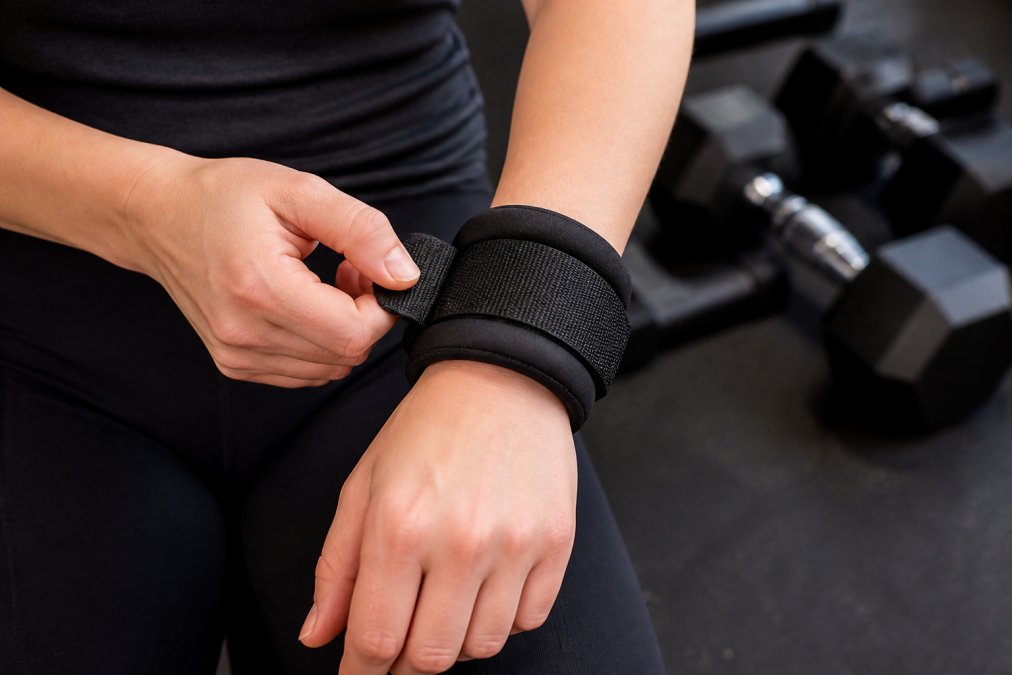
Weighted wrist bands for intensive cardio increase the challenge of your existing routine without requiring new equipment or facility access. By adding resistance to your upper body during walking, running, or other aerobic activities, these bands force your cardiovascular system to work harder while engaging stabilizer muscles that typically remain underutilized during steady-state cardio alone.
The added mass increases the workload your body must manage, elevating your heart rate and oxygen consumption during the same duration of exercise. This creates a training stimulus that mirrors higher-intensity efforts without necessarily requiring you to run faster or longer. Health and Fitness Company has engineered adjustable weighted fitness wrist and ankle bands specifically designed for this purpose, allowing you to scale resistance as your fitness improves. The key insight most beginners miss: the weight itself matters far less than consistent progression and proper form during application.


Benefits of Wearable Weights for Cardio Training
Increased Caloric Expenditure and Metabolic Rate
Adding weight to your cardio routine increases the total work your body must perform, directly elevating caloric expenditure during the session. Your muscles must generate more force to move the added mass, your cardiovascular system must pump harder to deliver oxygen to working tissues, and your stabilizer muscles activate more intensely to maintain posture and control.
The metabolic demand scales proportionally with the weight added and the intensity at which you move. Beyond the immediate session, there's a secondary effect on metabolic rate. Because weighted cardio recruits more muscle tissue and creates greater metabolic demand, the post-exercise oxygen consumption (EPOC) period extends slightly, meaning calorie burn continues at an elevated rate for hours after your session ends (peer-reviewed research).
Building Muscular Endurance and Upper Body Toning
Muscular endurance is the ability of a muscle to sustain repeated contractions over extended periods without fatigue (the NIH). Weighted cardio trains this quality directly. When you perform 30 minutes of running with wrist weights, your shoulder stabilizers, arm muscles, and upper back work continuously against resistance, building endurance capacity in those tissues.
Your arms won't fatigue during daily activities, your posture improves, and your upper body develops visible muscle definition. The kinetic chain benefit is often overlooked: your arms don't move in isolation during running or walking, they're part of an integrated system that includes your core, shoulders, and back. Weighted wrist bands force this entire chain to engage more intensely, creating improved functional fitness and better movement quality across all activities.
Wrist Weights Injury Prevention: Proper Form and Safety
Biomechanical Stress and Joint Health Considerations
The wrist, elbow, and shoulder joints experience forces during weighted cardio that they don't encounter during unweighted movement. When you add weight to your wrists, your arm becomes a longer, heavier lever, and the forces that travel through your joints increase proportionally.
The shoulder joint, a highly mobile but relatively unstable structure, bears much of this load. If your shoulder position is compromised, the added weight amplifies existing postural problems. The rotator cuff muscles must work harder to maintain proper joint positioning under load. If these muscles are underdeveloped or fatigued, weighted cardio creates repetitive strain injury risk. This is why progression matters more than absolute weight: starting light and building gradually allows your stabilizer muscles to adapt before you introduce heavier loads.
Joint health also depends on movement quality. Fatigue degrades form. When you're tired, your arm swing becomes sloppy, your posture collapses, and forces running through your joints become misaligned. This is why weighted cardio duration must be conservative, especially early in your training.
Common Mistakes to Avoid
The most frequent error is starting too heavy. Beginners often assume that if 1 pound feels light, then 3 pounds must be better. In reality, jumping from 1 pound to 3 pounds overnight overwhelms your stabilizer muscles and creates injury risk. Progression should be gradual: add 0.5 pounds every 2-3 weeks once you've adapted to your current load (acsm.org).
Poor arm positioning during weighted cardio is equally problematic. Your arms should swing naturally, with elbows bent at roughly 90 degrees, and your shoulders should remain relaxed and slightly back. Many people hunch their shoulders or tense their neck when wearing wrist weights, concentrating force in vulnerable areas.
Neglecting warm-up and cool-down periods creates additional risk. A 5-minute easy walk before adding wrist weights allows your cardiovascular system to adjust and your stabilizer muscles to activate. Using wrist weights during movements they're not designed for causes problems: weighted cardio is appropriate for walking and running, but inappropriate for explosive movements like jumping or sprinting at maximum effort.
How to Use Weighted Wrist Bands for Cardio Workouts
Starting Weight and Progressive Overload
Your initial weight selection should feel almost too light. A 1-pound band per wrist allows your nervous system to learn the movement pattern, your stabilizer muscles to activate properly, and your joints to adapt without overwhelming them. You should be able to complete your entire cardio session with perfect form and no joint discomfort.
After 2-3 weeks of consistent training with 1-pound bands, your body adapts and the effort feels easier. At this point, progress to 1.5 pounds per wrist. Continue this pattern: train for 2-3 weeks at a given weight, then increase by 0.5 pounds when the session feels sustainable with good form. Most people cap out around 3-5 pounds per wrist during steady-state cardio. Adding more than 5 pounds typically creates diminishing returns and increases injury risk.
The adjustable design of Health and Fitness Company's weighted fitness wrist and ankle bands eliminates the need to purchase multiple sets, allowing you to adjust resistance on a single pair as you progress.
Integration Into Walking, Running, and Other Modalities
Walking with wrist weights is the ideal entry point. Your pace is controlled, your movement is repetitive and predictable, and the injury risk is minimal. Start with 20-30 minute walks at a comfortable pace. After 3-4 weeks, increase duration by 5 minutes per session rather than increasing weight.
Running with wrist weights requires more caution. If you're new to weighted cardio, establish a base of weighted walking first. Once comfortable, incorporate weighted running into only 1-2 sessions per week initially, keeping those sessions at moderate intensity.
Elliptical machines and rowing machines benefit from wrist weights as well. On an elliptical, the weights increase the resistance your arms must push and pull against. On a rower, they add challenge to the pull phase of the stroke. Cycling is generally not appropriate for wrist weights, as they interfere with your ability to control the bike and maintain safe positioning.
Cardio Workout Duration With Weighted Wrist Bands
Duration depends on your current fitness level and the weight you're using. A beginner wearing 1-pound wrist bands can sustain weighted cardio for 20-30 minutes comfortably. An experienced athlete wearing 3-4 pounds might sustain 30-45 minutes. The key principle: maintain good form throughout the entire session.
Most practitioners find that 30 minutes represents an optimal sweet spot. It's long enough to create meaningful metabolic demand and muscular endurance stimulus, but short enough that fatigue doesn't compromise your biomechanics. Using weighted wrist bands 3-4 times per week allows adequate recovery between sessions. Training with weights daily increases repetitive strain injury risk without proportionally increasing benefits.
Listen to your body. If your wrists, elbows, or shoulders feel sore or uncomfortable during a session, reduce the weight or duration immediately. During-workout pain is a warning sign, different from delayed-onset muscle soreness that appears 24-48 hours after training.
Do Wrist Weights Actually Build Muscle?
Wrist weights build muscle in a specific way: they create muscular endurance and modest hypertrophy in the muscles they directly load, primarily the arm muscles, shoulder stabilizers, and upper back. The muscle-building effect is real and measurable. Consistent weighted cardio produces visible muscle definition in your arms and shoulders, improved muscle tone, and increased functional strength.
The mechanism is straightforward: muscular endurance training recruits muscle fibers and creates metabolic demand that signals your body to build and maintain muscle tissue. It's less intense than resistance training, so the growth is slower and more modest. For serious muscle building, weighted cardio is supplemental, not primary. Your main stimulus should be resistance training designed for strength and hypertrophy.
When to Avoid Using Wrist Weights
Avoid weighted wrist bands if you have a history of wrist, elbow, or shoulder injury. The added load increases stress on these joints, which can aggravate previous injuries. If you've had rotator cuff issues, wrist sprains, or elbow tendinitis, consult a healthcare provider before introducing weighted cardio.
Pregnancy warrants caution. Hormonal changes during pregnancy increase joint laxity, making ligaments more flexible and less stable. Adding weight during this period increases injury risk. Certain medical conditions also contraindicate weighted cardio: osteoporosis, severe arthritis, or connective tissue disorders that affect joint stability may accelerate joint degeneration.
Avoid weighted cardio when you're fatigued or recovering from illness. Your stabilizer muscles won't function optimally, and your form will suffer. Don't use wrist weights during high-intensity interval training or explosive movements either, as the weight interferes with your ability to accelerate, decelerate, and control your body position during rapid movements.
Weighted cardio presents a genuine opportunity to increase training intensity without requiring new equipment or facility access. The challenge lies in implementation: starting conservatively, progressing gradually, and maintaining pristine form throughout every session. Health and Fitness Company's adjustable weighted fitness wrist and ankle bands provide the precision and durability needed for long-term training, allowing you to scale resistance as your capacity improves. Start with 1-pound bands, commit to 3-4 weeks of consistent training, then progress thoughtfully. Your cardiovascular system, metabolic rate, and muscular endurance will adapt, but only if you respect the process and prioritize form over load.
Frequently Asked Questions
Q: Do weighted wrist bands actually work for cardio training?
A: Yes, weighted wrist bands increase resistance during cardio exercise, which elevates oxygen consumption and caloric expenditure. They enhance muscular endurance in your upper body and arms while you perform steady-state cardio like walking or running. The added resistance forces your cardiovascular system to work harder, improving aerobic capacity over time. Results depend on consistent use and proper form to avoid compensatory movement patterns.
Q: What's the best way to use weighted wrist bands for cardio without risking injury?
A: Start with 1-2 pound bands and focus on maintaining proper form throughout your cardio session. Keep your arms at a natural 90-degree angle and avoid jerky movements that increase joint stress. Begin with 15-20 minute sessions and gradually increase duration as your stabilizer muscles adapt. Pay attention to your rotator cuff and shoulder joints; if you experience pain, reduce weight or discontinue use.
Q: How long should you wear weighted wrist bands during a workout?
A: For beginners, start with 15-20 minutes of cardio wearing weighted wrist bands, 2-3 times per week. As your muscular endurance improves, you can extend sessions to 30-45 minutes. Listen to your body and take rest days between sessions to allow your joints and stabilizer muscles to recover. Overuse injury risk increases with excessive duration; prioritize quality of movement over length of workout. Progressive overload means gradually increasing duration and weight, not doing too much too soon.
Q: Can weighted wrist bands help tone my arms while doing cardio?
A: Yes, weighted wrist bands provide resistance training that targets your biceps, triceps, and shoulder muscles during cardio exercise. The continuous resistance increases hypertrophy potential and upper body toning when combined with proper nutrition and consistent training. However, wrist bands alone won't maximize arm development compared to dedicated strength training. They work best as a supplemental tool to enhance your cardio routine while building functional fitness and muscular endurance in your upper body.
This article was written using GrandRanker