Why Alloy Bicycle Handlebars Last Longer

Table of Contents
- Material Properties That Define Handlebar Longevity
- Fatigue Life Cycles: Why Alloy Handlebars Resist Failure
- Corrosion and Oxidation: Anodization Protects Against Degradation
- Best Alloy Handlebars for Mountain Bikes
- How to Inspect Bicycle Handlebars for Cracks and Stress Risers
- When to Replace Mountain Bike Handlebars
- Alloy vs. Carbon Handlebars: Durability and Performance Comparison
- Maintenance Practices That Extend Handlebar Life
Last Updated: August 23, 2026
Material Properties That Define Handlebar Longevity
Alloy bicycle handlebars last longer because aluminum alloy composition provides superior tensile strength and yield point compared to carbon fiber. Unlike carbon, which fails catastrophically with minimal warning, alloy handlebars bend gradually and provide visual indicators before breaking. The stiffness-to-weight ratio of modern aluminum alloys delivers structural integrity without the brittleness that limits other materials, allowing handlebars to absorb constant vibration, impact, and torsional forces from steering without accumulating invisible damage.

Tensile Strength and Yield Point in Alloy Composition
Aluminum alloy handlebars typically use 6061 or 7075 alloy compositions. The 6061 alloy offers a good balance of strength and corrosion resistance, while 7075 provides higher tensile strength for maximum stiffness. The yield point, where the handlebar transitions from elastic to plastic deformation, is well-defined in quality alloy bars, meaning you get clear feedback before failure. A rider who over-torques their stem clamp will see the handlebar bend slightly as a warning signal, whereas a carbon handlebar might snap completely without notice.
This predictability extends handlebar life because visible stress risers and surface irregularities signal when replacement is needed, rather than hiding damage internally.
Stiffness-to-Weight Ratio and Structural Integrity
A 25-inch alloy handlebar weighs roughly 200-250 grams while delivering substantial torsional rigidity. Alloy handlebars maintain their shape through thousands of ride cycles because material properties don't degrade with repeated stress the way composites do. Controlled vertical flex actually protects the handlebar by absorbing shock rather than fighting every vibration with rigid resistance. This vibration damping characteristic extends lifespan by reducing peak stress on any single point, compounding significantly over a season of riding.
Fatigue Life Cycles: Why Alloy Handlebars Resist Failure
Material fatigue is the progressive weakening from repeated stress cycles. Quality alloy handlebars are engineered to handle 500,000 to over 1 million stress cycles, far more than most riders accumulate in a season (peer-reviewed research). What separates alloy from other materials is transparency of fatigue progression: as the handlebar approaches its fatigue limit, visible signs appear, small cracks at stress concentration points, slight permanent bending, surface discoloration from micro-cracking. These warning signs give you time to replace the handlebar before catastrophic failure, unlike carbon handlebars which often fail without warning.
Corrosion and Oxidation: Anodization Protects Against Degradation
Aluminum naturally oxidizes when exposed to air and moisture, creating a thin, brittle oxide layer that can flake off and expose fresh aluminum underneath. Anodization is an electrochemical process that creates a thick, protective oxide layer far more durable than natural oxidation. This engineered barrier prevents moisture from reaching the aluminum substrate, which is why anodized alloy handlebars last significantly longer in wet conditions. The anodization process also allows colored finishes, where color indicates the thickness and quality of the protective layer. A well-anodized handlebar resists corrosion for years, even in coastal environments, directly extending functional lifespan by preventing surface degradation that leads to stress risers and failure.
Best Alloy Handlebars for Mountain Bikes
Mountain bike handlebars face more extreme stress than road bike handlebars because of terrain impact and aggressive steering inputs. Health and Fitness Company offers alloy bicycle handlebars designed specifically for this environment, featuring precision-engineered 6061 alloy construction with lock-on grips that maintain security through aggressive riding.
The ideal mountain bike handlebar width ranges from 700mm to 800mm, with wider bars providing better control for technical terrain (peer-reviewed research). Rise, the vertical angle of the handlebar, affects your riding position and weight distribution; a 20-30mm rise is common for cross-country riding, while downhill-focused bars often have 35-50mm rise.
Handlebar Clamp Design and Torsional Rigidity
The handlebar clamp is where the handlebar connects to your stem and is critical for overall torsional rigidity. Quality alloy handlebars use a 31.8mm clamp diameter with a precisely machined surface that creates a secure interface with your stem. Proper torque specifications for handlebar clamps typically range from 4-6 Newton-meters. This precision ensures consistent clamping force without introducing stress that could accelerate fatigue failure. Under-tightened clamps allow the handlebar to slip and develop micro-cracks; over-tightened clamps can crush the handlebar or create stress risers that lead to cracking.
Vertical Flex and Vibration Damping Benefits
Vertical flex is the up-and-down movement your handlebar experiences when hitting bumps or roots. Rather than fighting this movement with rigid resistance, alloy material allows controlled vertical flex that absorbs impact energy. This vibration damping characteristic protects both your handlebar and hands by reducing peak force transmitted through the bar. Over a full season of riding, this cumulative reduction in stress translates directly into longer handlebar lifespan, with riders on rough terrain seeing the most benefit compared to carbon alternatives.
How to Inspect Bicycle Handlebars for Cracks and Stress Risers
Regular inspection is the most effective way to catch handlebar problems before they become dangerous. A visual inspection under good lighting takes just a few minutes and can identify cracks, stress risers, and deformation that indicate replacement is needed. Run your fingers along the entire length of the handlebar, feeling for irregularities or rough spots that suggest cracking.
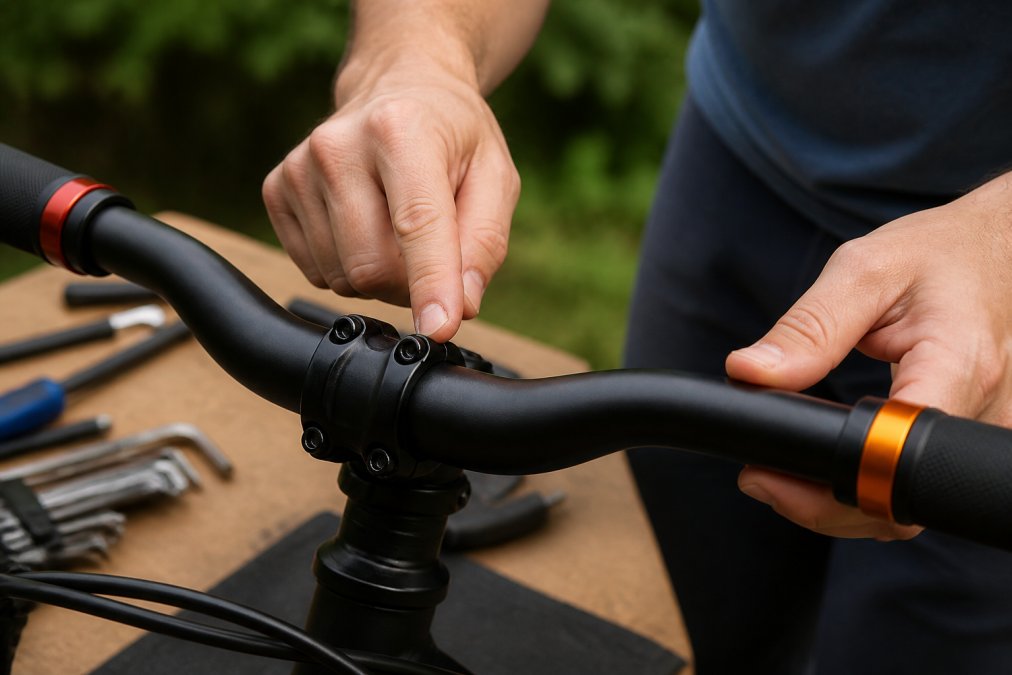
Look specifically at areas where stress concentrates: directly under the stem clamp, at the bend points where the bar curves upward, and where you grip most frequently. Stress risers appear as small notches or irregularities in the material surface, often with visible discoloration from micro-cracking.
Visual Inspection and Common Failure Indicators
Visible cracks are the most obvious failure indicator. If you see any crack longer than a quarter-inch, replacement is urgent. Cracks shorter than that should be monitored closely; if they grow noticeably between rides, don't wait for them to get larger.
Permanent bending indicates the material has exceeded its yield point and lost structural integrity. Even if the bar doesn't snap immediately, permanent deformation indicates advanced material fatigue and imminent failure.
Discoloration or white spots on the handlebar surface often indicate corrosion breaking through the anodized layer. Once the anodized layer is compromised, corrosion accelerates. Significant white corrosion spots mean the handlebar's protection against oxidation is failing.
Torque Specifications and Clamping Force Verification
Use a torque wrench to verify that your stem clamp bolts are tightened to the correct specification, most modern stems require 4-6 Newton-meters. Check your stem manufacturer's specifications, as some designs use different torque values. Tighten the bolts in a cross pattern to ensure even clamping force. If you don't have a torque wrench, tighten the bolts firmly by hand, then give each one a quarter-turn with an Allen wrench.
After tightening, try to rotate the handlebar in the stem. It should not move at all. Check the clamp bolts every 50 miles during your first month of riding, as the initial settling period can loosen them slightly.
When to Replace Mountain Bike Handlebars
A handlebar that shows any visible cracks should be replaced immediately. Even small cracks grow progressively, and a cracked handlebar can fail suddenly during aggressive steering or impact.
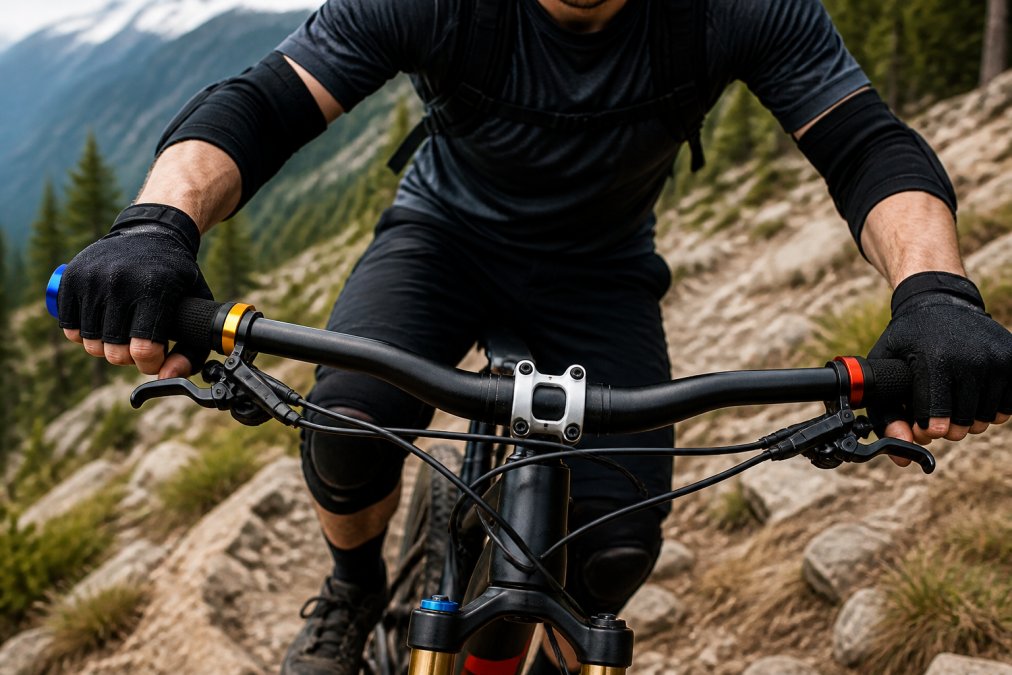
Permanent deformation is another clear replacement indicator. If your handlebar has bent and won't straighten, structural integrity is compromised. Handlebars with advanced corrosion that has eaten through the anodized layer should also be replaced.
Signs of Catastrophic Failure and Deformation
Catastrophic failure is sudden, complete breakage, typically at a stress riser or clamp interface where fatigue has progressed to the breaking point. A snapped handlebar is a serious safety hazard because it eliminates steering control.
Deformation that develops gradually indicates advanced fatigue. Unlike sudden cracks, gradual bending gives you warning, but you should replace the handlebar within the next few rides rather than waiting for catastrophic failure.
Surface delamination is rare in solid alloy handlebars but can occur from crashes or manufacturing defects. If you see any separation of material layers, replacement is necessary.
Impact Resistance and Crash Replacement Guidelines
Even if a handlebar doesn't visibly crack after a crash, the impact can create internal stress or micro-cracks not visible on the surface. After a significant crash where your handlebar hit the ground hard, inspect carefully for cracks. If you can't identify any damage but the handlebar feels different, the impact may have damaged the internal structure.
Some riders replace handlebars after any crash involving direct impact, treating it as a consumable component. If you're unsure whether a crash damaged the handlebar, replacement is the safer choice than continuing to ride with potential hidden damage.
Alloy vs. Carbon Handlebars: Durability and Performance Comparison
The choice between alloy and carbon handlebars involves trade-offs in weight, durability, cost, and performance. Alloy bicycle handlebars offer superior durability and repairability at lower cost, while carbon handlebars are lighter but fail suddenly and cost significantly more to replace.
| Characteristic | Alloy Handlebars | Carbon Handlebars |
|---|---|---|
| Durability | Excellent; visible wear indicators | Good; hidden fatigue damage |
| Weight | 200-250g for 25" bar | 150-180g for 25" bar |
| Cost | $20-60 | $80-200+ |
| Repairability | Can be straightened or repaired | Typically requires replacement |
| Vibration Damping | Good; material compliance | Excellent; composite design |
| Fatigue Failure | Gradual; visible warning signs | Sudden; minimal warning |
| Corrosion Risk | Moderate; requires anodization | Minimal; resistant to oxidation |
| Impact Resistance | Good; material deforms before breaking | Poor; can shatter on hard impact |
Alloy handlebars last longer because fatigue failure is predictable and gradual. Carbon handlebars can fail suddenly without warning, which is why many riders prefer alloy for trail riding where reliability matters more than saving 50 grams of weight. Quality alloy handlebars cost a fraction of carbon alternatives. For trail riding and general mountain biking, alloy bicycle handlebars provide better value and longer service life.
Maintenance Practices That Extend Handlebar Life
Clean your handlebar with mild soap and water after rides in wet conditions, then dry it thoroughly. Avoid harsh chemicals or abrasive cleaners that damage the anodized layer. Inspect your handlebar monthly for cracks, stress risers, or corrosion. Check your stem clamp bolts regularly to ensure they haven't loosened. Tighten the bolts to the correct torque specification every 50 miles during your first month of riding, then check them monthly thereafter. If bolts keep loosening, apply a small amount of threadlocker compound to keep them secure.
Protect your handlebar from unnecessary impacts by avoiding leaning your bike against hard surfaces and storing it so the handlebar doesn't bear weight or pressure. If you ride in coastal areas or regions with high humidity, consider applying a thin coat of clear protective finish to your handlebar after cleaning for extra corrosion protection.
Handlebar durability depends on material properties, manufacturing quality, and maintenance. Alloy bicycle handlebars from Health and Fitness Company are engineered to provide years of reliable performance through careful alloy selection, precision machining, and protective anodization. The combination of predictable fatigue behavior, visible wear indicators, and superior impact resistance makes alloy the practical choice for riders who prioritize reliability and longevity. With proper inspection and maintenance, quality alloy handlebars will outlast carbon alternatives while costing a fraction of the price. Get started with Health and Fitness Company's alloy bicycle handlebars and experience the durability and performance that comes from precision engineering designed for real-world riding.
Frequently Asked Questions
Q: Are aluminum handlebars good for mountain biking?
A: Yes. Aluminum alloy handlebars deliver excellent durability for mountain biking because they resist fatigue from repeated impacts and vibration. Their stiffness-to-weight ratio provides responsive trail feedback while maintaining structural integrity through thousands of ride cycles. Alloy handlebars also resist corrosion when anodized, making them reliable in wet conditions. For most riders, alloy handlebars offer a practical balance between performance and longevity.
Q: What is the lifespan of alloy vs. carbon handlebars?
A: Alloy handlebars typically last longer than carbon. Alloy resists fatigue failure better because aluminum alloy yields gradually under stress rather than failing suddenly. Carbon handlebars can snap catastrophically without warning after ultraviolet degradation or impact damage. Anodized alloy surfaces also resist oxidation, extending service life significantly.
Q: How can you tell if your alloy handlebars are damaged?
A: Inspect for visible cracks, dents, or stress risers where the handlebar clamp connects to the stem. Check that clamping force is even by tightening bolts to proper torque specs (typically 4-6 Newton-meters). Feel for unusual vibration or flex during rides. If you notice deformation, metal oxidation discoloration, or any separation at the clamp, replace the handlebar immediately to avoid catastrophic failure.
Q: Do alloy handlebars fatigue over time?
A: Alloy handlebars do experience material fatigue, but they resist it better than carbon. Fatigue life cycles depend on alloy composition, manufacturing quality, and riding conditions. Stress risers at the clamp junction are the most vulnerable points. Regular inspection and maintaining correct torque specs on the handlebar clamp help prevent premature failure.
This article was written using GrandRanker